
Escucha gratis este podcast en la aplicación: Descarga gratuita en la App Store
radio.es
Sleep timer
Favoritos
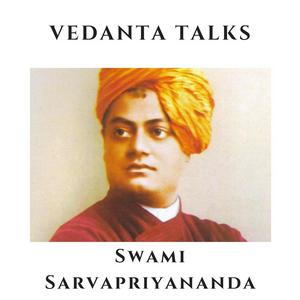
Vedanta Talks - Swami Sarvapriyananda
Vedanta Society of New York
Último episodio
765 episodios
Divine Mother | Swami Sarvapriyananda
25/10/2026 | 1 hSwami Sarvapriyananda explores the Divine Mother through the teachings of Sri Ramakrishna and the spiritual journey of Swami Vivekananda. This lecture reflects on devotion, surrender, and the relationship between the personal God and the nondual reality of Brahman.
00:00 - Opening prayer
00:53 - Durga Puja: Celebrating the Divine Mother
07:23 - Worshipping God as Mother
09:43 - Stories of Durga in the Puranas
24:53 - Shakti, Grace, and Spiritual Awakening
28:04 - Vivekananda and Sri Ramakrishna
32:31 - Narendra’s Encounter with Mother Kali
37:17 - “Maa Twam Hi Tara” and Taking Refuge
39:08 - The Baby Monkey and the Kitten: Two Spiritual Paths
46:41 - Holy Mother’s Blessings for Vivekananda’s Mission
52:02 - Seeing the Divine Mother in All Women
55:04 - Living in Surrender: Life as the Mother’s Play
🙏 Please Support the Vedanta Society of New York
http://www.vedantany.org/donate
🌐 Please Visit Us
Website: https://vedantany.org
Apple & Spotify Podcasts: https://www.vedantany.org/media-channels
YouTube (Main Channel): / @vedantany
YouTube (Archives): / @vedantanyarchives
Facebook: / vedantany
X / Twitter: / vedantany
📙 Books by Swami Sarvapriyananda
https://www.vedantany.org/swamis-books
Lecture Series by Swami Sarvapriyananda
📓 Introductory Lectures: https://www.vedantany.org/introductor...
📚 Vedanta Scriptures: https://www.vedantany.org/by-scriptures
🧩 Lectures by Topics: https://www.vedantany.org/by-topic
💬 AskSwami Q&A: https://www.vedantany.org/ask-swami-qa
📖 Scriptures Taught by Swami Sarvapriyananda
• Aparokshanubhuti | Swami Sarvapriyananda
• Bhagavad Gita | Swami Sarvapriyananda
• Brihadaranyaka Upanishad | Swami Sarvapriy...
• Dṛg Dṛśya Viveka | Swami Sarvapriyananda
• The Gospel of Sri Ramakrishna | Swami Sarv...
• Isha Upanishad | Swami Sarvapriyananda
• Katha Upanishad | Swami Sarvapriyananda
• Kena Upanishad | Swami Sarvapriyananda
• Mandukya Upanishad | Swami Sarvapriyananda
• Mundaka Upanishad | Swami Sarvapriyananda
• Vedantasara of Sadananda | Swami Sarvapriy...
🪔 About Vedanta
Vedanta is among the world’s oldest spiritual philosophies and one of its most inclusive. Rooted in the Vedas, India’s sacred scriptures, Vedanta upholds the unity of all existence, the divinity of the soul, and harmony among religions.
🏛️ About This Channel
This is the official channel of the Vedanta Society of New York, a spiritual institution affiliated with the Ramakrishna Order of India and holds the distinction of being its first established Center, founded by Swami Vivekananda in 1894. Swami Sarvapriyananda currently serves as the Resident Minister and Spiritual Leader of the Vedanta Society of New York.
📜 Content Use Policy
https://www.vedantany.org/content-policyGospel | Chapter 7: Dec 14, 1882 (Part 6) | Swami Sarvapriyananda
25/10/2026 | 1 h 9 minSwami Sarvapriyananda reads and discusses the Gospel of Sri Ramakrishna. The Gospel of Sri Ramakrishna is an English translation of the Bengali spiritual text Sri Sri Ramakrishna Kathamrita by Swami Nikhilananda. The text records conversations of Ramakrishna with his disciples, devotees and visitors, recorded by Mahendranath Gupta, who wrote the book under the pseudonym of "M."
This session was recorded on Jan 31, 2023.
🙏 Please Support the Vedanta Society of New York
http://www.vedantany.org/donate
🌐 Please Visit Us
Website: https://vedantany.org
Apple & Spotify Podcasts: https://www.vedantany.org/media-channels
YouTube (Main Channel): / @vedantany
YouTube (Archives): / @vedantanyarchives
Facebook: / vedantany
X / Twitter: / vedantany
📙 Books by Swami Sarvapriyananda
https://www.vedantany.org/swamis-books
Lecture Series by Swami Sarvapriyananda
📓 Introductory Lectures: https://www.vedantany.org/introductor...
📚 Vedanta Scriptures: https://www.vedantany.org/by-scriptures
🧩 Lectures by Topics: https://www.vedantany.org/by-topic
💬 AskSwami Q&A: https://www.vedantany.org/ask-swami-qa
📖 Scriptures Taught by Swami Sarvapriyananda
• Aparokshanubhuti | Swami Sarvapriyananda
• Bhagavad Gita | Swami Sarvapriyananda
• Brihadaranyaka Upanishad | Swami Sarvapriy...
• Dṛg Dṛśya Viveka | Swami Sarvapriyananda
• The Gospel of Sri Ramakrishna | Swami Sarv...
• Isha Upanishad | Swami Sarvapriyananda
• Katha Upanishad | Swami Sarvapriyananda
• Kena Upanishad | Swami Sarvapriyananda
• Mandukya Upanishad | Swami Sarvapriyananda
• Mundaka Upanishad | Swami Sarvapriyananda
• Vedantasara of Sadananda | Swami Sarvapriy...
🪔 About Vedanta
Vedanta is among the world’s oldest spiritual philosophies and one of its most inclusive. Rooted in the Vedas, India’s sacred scriptures, Vedanta upholds the unity of all existence, the divinity of the soul, and harmony among religions.
🏛️ About This Channel
This is the official channel of the Vedanta Society of New York, a spiritual institution affiliated with the Ramakrishna Order of India and holds the distinction of being its first established Center, founded by Swami Vivekananda in 1894. Swami Sarvapriyananda currently serves as the Resident Minister and Spiritual Leader of the Vedanta Society of New York.
📜 Content Use Policy
https://www.vedantany.org/content-policyAI Consciousness and Dharma Ethics I Swami Sarvapriyananda, Prof. Murray Shanahan, Dr. Pinsent
27/09/2026 | 1 h 46 minAi and Dharma Ethics Programme ( AiDEP) of Oxford Dharma Centre organised a panel discussion on 'AI, Consciousness and Dharma Ethics' on 11th August 2026 at Schwarzman Centre, University of Oxford.
Panelists:
Swami Sarvapriyananda: Minister-in-Charge, Vedanta Society of New York. Hindu Monk from Ramakrishna Order. Co-author, with Blaise Agüera y Arcas (Google) and physicist Carlo Rovelli, of the Noema essay "Consciousness Across Three Worldviews," published by the Berggruen Institute.
Prof. Murray Shanahan: Emeritus Professor of Artificial Intelligence, Imperial College London, and Principal Scientist at Google DeepMind.
Dr Andrew Pinsent: Former Particle physicist (involved in DELPHI project at CERN), philosopher, Catholic priest, and former Research Director of the Ian Ramsey Centre for Science and Religion, University of Oxford.
Moderated by Anurag Ray, member of Oxford Dharma Centre. Chanting by Riccardo Paccagnella. Announcements by Mary Adeymo.
Hosted and organised by the Oxford Dharma Centre for Research and Policy: https://www.oxforddharma.org/
The conversation moved from the Eliza Effect and the nature of consciousness to saṃskāras, moral formation, AI alignment and the provocative possibility of an “ego-less” machine. Bringing together perspectives from Vedānta, Buddhism, wide aspects from Dharma traditions, AI and philosophy of mind, and theology, the discussion explored some of the most consequential questions surrounding AI today.
🙏 Please Support the Vedanta Society of New York
http://www.vedantany.org/donate
🌐 Please Visit Us
Website: https://vedantany.org
Apple & Spotify Podcasts: https://www.vedantany.org/media-channels
YouTube (Main Channel): / @vedantany
YouTube (Archives): / @vedantanyarchives
Facebook: / vedantany
X / Twitter: / vedantany
📙 Books by Swami Sarvapriyananda
https://www.vedantany.org/swamis-books
Lecture Series by Swami Sarvapriyananda
📓 Introductory Lectures: https://www.vedantany.org/introductor...
📚 Vedanta Scriptures: https://www.vedantany.org/by-scriptures
🧩 Lectures by Topics: https://www.vedantany.org/by-topic
💬 AskSwami Q&A: https://www.vedantany.org/ask-swami-qa
📖 Scriptures Taught by Swami Sarvapriyananda
• Aparokshanubhuti | Swami Sarvapriyananda
• Bhagavad Gita | Swami Sarvapriyananda
• Brihadaranyaka Upanishad | Swami Sarvapriy...
• Dṛg Dṛśya Viveka | Swami Sarvapriyananda
• The Gospel of Sri Ramakrishna | Swami Sarv...
• Isha Upanishad | Swami Sarvapriyananda
• Katha Upanishad | Swami Sarvapriyananda
• Kena Upanishad | Swami Sarvapriyananda
• Mandukya Upanishad | Swami Sarvapriyananda
• Mundaka Upanishad | Swami Sarvapriyananda
• Vedantasara of Sadananda | Swami Sarvapriy...
🪔 About Vedanta
Vedanta is among the world’s oldest spiritual philosophies and one of its most inclusive. Rooted in the Vedas, India’s sacred scriptures, Vedanta upholds the unity of all existence, the divinity of the soul, and harmony among religions.
🏛️ About This Channel
This is the official channel of the Vedanta Society of New York, a spiritual institution affiliated with the Ramakrishna Order of India and holds the distinction of being its first established Center, founded by Swami Vivekananda in 1894. Swami Sarvapriyananda currently serves as the Resident Minister and Spiritual Leader of the Vedanta Society of New York.Gospel | Chapter 7: Dec 14, 1882 (Part 5) | Swami Sarvapriyananda
27/09/2026 | 1 h 8 minSwami Sarvapriyananda reads and discusses the Gospel of Sri Ramakrishna. The Gospel of Sri Ramakrishna is an English translation of the Bengali spiritual text Sri Sri Ramakrishna Kathamrita by Swami Nikhilananda. The text records conversations of Ramakrishna with his disciples, devotees and visitors, recorded by Mahendranath Gupta, who wrote the book under the pseudonym of "M."
This session was recorded on Jan 24, 2023.
🙏 Please Support the Vedanta Society of New York
http://www.vedantany.org/donate
🌐 Please Visit Us
Website: https://vedantany.org
Apple & Spotify Podcasts: https://www.vedantany.org/media-channels
YouTube (Main Channel): / @vedantany
YouTube (Archives): / @vedantanyarchives
Facebook: / vedantany
X / Twitter: / vedantany
📙 Books by Swami Sarvapriyananda
https://www.vedantany.org/swamis-books
Lecture Series by Swami Sarvapriyananda
📓 Introductory Lectures: https://www.vedantany.org/introductor...
📚 Vedanta Scriptures: https://www.vedantany.org/by-scriptures
🧩 Lectures by Topics: https://www.vedantany.org/by-topic
💬 AskSwami Q&A: https://www.vedantany.org/ask-swami-qa
📖 Scriptures Taught by Swami Sarvapriyananda
• Aparokshanubhuti | Swami Sarvapriyananda
• Bhagavad Gita | Swami Sarvapriyananda
• Brihadaranyaka Upanishad | Swami Sarvapriy...
• Dṛg Dṛśya Viveka | Swami Sarvapriyananda
• The Gospel of Sri Ramakrishna | Swami Sarv...
• Isha Upanishad | Swami Sarvapriyananda
• Katha Upanishad | Swami Sarvapriyananda
• Kena Upanishad | Swami Sarvapriyananda
• Mandukya Upanishad | Swami Sarvapriyananda
• Mundaka Upanishad | Swami Sarvapriyananda
• Vedantasara of Sadananda | Swami Sarvapriy...
🪔 About Vedanta
Vedanta is among the world’s oldest spiritual philosophies and one of its most inclusive. Rooted in the Vedas, India’s sacred scriptures, Vedanta upholds the unity of all existence, the divinity of the soul, and harmony among religions.
🏛️ About This Channel
This is the official channel of the Vedanta Society of New York, a spiritual institution affiliated with the Ramakrishna Order of India and holds the distinction of being its first established Center, founded by Swami Vivekananda in 1894. Swami Sarvapriyananda currently serves as the Resident Minister and Spiritual Leader of the Vedanta Society of New York.Avadhūta Gītā Retreat | Session 6 | Swami Sarvapriyananda
20/09/2026 | 49 minThis video is part of the Avadhūta Gītā Spiritual Retreat presented by the Vedanta Study Circle of Boston (AVG).
This recording is Session 6 of the retreat and explores the timeless teachings of the Avadhūta Gītā under the guidance of Swami Sarvapriyananda.
Shared with the kind permission of the Vedanta Study Circle of Boston (AVG). Our sincere gratitude to the organizers, volunteers, and all who helped make this retreat possible. Vedanta Study Circle of Boston YouTube Channel / @vedanta_studycircle_boston
🙏 Please Support the Vedanta Society of New York
http://www.vedantany.org/donate
🌐 Please Visit Us
Website: https://vedantany.org
Apple & Spotify Podcasts: https://www.vedantany.org/media-channels
YouTube (Main Channel): / @vedantany
YouTube (Archives): / @vedantanyarchives
Facebook: / vedantany
X / Twitter: / vedantany
📙 Books by Swami Sarvapriyananda
https://www.vedantany.org/swamis-books
Lecture Series by Swami Sarvapriyananda
📓 Introductory Lectures: https://www.vedantany.org/introductor...
📚 Vedanta Scriptures: https://www.vedantany.org/by-scriptures
🧩 Lectures by Topics: https://www.vedantany.org/by-topic
💬 AskSwami Q&A: https://www.vedantany.org/ask-swami-qa
📖 Scriptures Taught by Swami Sarvapriyananda
• Aparokshanubhuti | Swami Sarvapriyananda
• Bhagavad Gita | Swami Sarvapriyananda
• Brihadaranyaka Upanishad | Swami Sarvapriy...
• Dṛg Dṛśya Viveka | Swami Sarvapriyananda
• The Gospel of Sri Ramakrishna | Swami Sarv...
• Isha Upanishad | Swami Sarvapriyananda
• Katha Upanishad | Swami Sarvapriyananda
• Kena Upanishad | Swami Sarvapriyananda
• Mandukya Upanishad | Swami Sarvapriyananda
• Mundaka Upanishad | Swami Sarvapriyananda
• Vedantasara of Sadananda | Swami Sarvapriy...
🪔 About Vedanta
Vedanta is among the world’s oldest spiritual philosophies and one of its most inclusive. Rooted in the Vedas, India’s sacred scriptures, Vedanta upholds the unity of all existence, the divinity of the soul, and harmony among religions.
🏛️ About This Channel
This is the official channel of the Vedanta Society of New York, a spiritual institution affiliated with the Ramakrishna Order of India and holds the distinction of being its first established Center, founded by Swami Vivekananda in 1894. Swami Sarvapriyananda currently serves as the Resident Minister and Spiritual Leader of the Vedanta Society of New York.
📜 Content Use Policy
https://www.vedantany.org/content-policy
Más podcasts de Hinduismo
Podcasts a la moda de Hinduismo
Acerca de Vedanta Talks - Swami Sarvapriyananda
Swami Sarvapriyananda delivers insightful talks on Vedanta at the Vedanta Society of New York, an institution founded by Swami Vivekananda in 1894. Vedanta, rooted in the ancient Vedas, is one of the world’s oldest and most expansive spiritual philosophies. It emphasizes the oneness of all existence, the divinity of the individual soul, and the harmony among all religions, offering timeless wisdom for personal and spiritual growth. Through these talks, Swami Sarvapriyananda explores profound spiritual truths, making Vedanta’s teachings relevant to modern seekers.Vedanta Society of New YorkApple PodcastSpotify PodcastDonations to support Vedanta Society of New York gratefully accepted via PaypalAll Original Content © Vedanta Society of New York
Sitio web del podcastEscucha Vedanta Talks - Swami Sarvapriyananda, Ram Dass Here And Now y muchos más podcasts de todo el mundo con la aplicación de radio.es
Descarga la app gratuita: radio.es
- Añadir radios y podcasts a favoritos
- Transmisión por Wi-Fi y Bluetooth
- Carplay & Android Auto compatible
- Muchas otras funciones de la app
Descarga la app gratuita: radio.es
- Añadir radios y podcasts a favoritos
- Transmisión por Wi-Fi y Bluetooth
- Carplay & Android Auto compatible
- Muchas otras funciones de la app

Vedanta Talks - Swami Sarvapriyananda
Escanea el código,
Descarga la app,
Escucha.
Descarga la app,
Escucha.
Vedanta Talks - Swami Sarvapriyananda: Podcasts del grupo
 España
